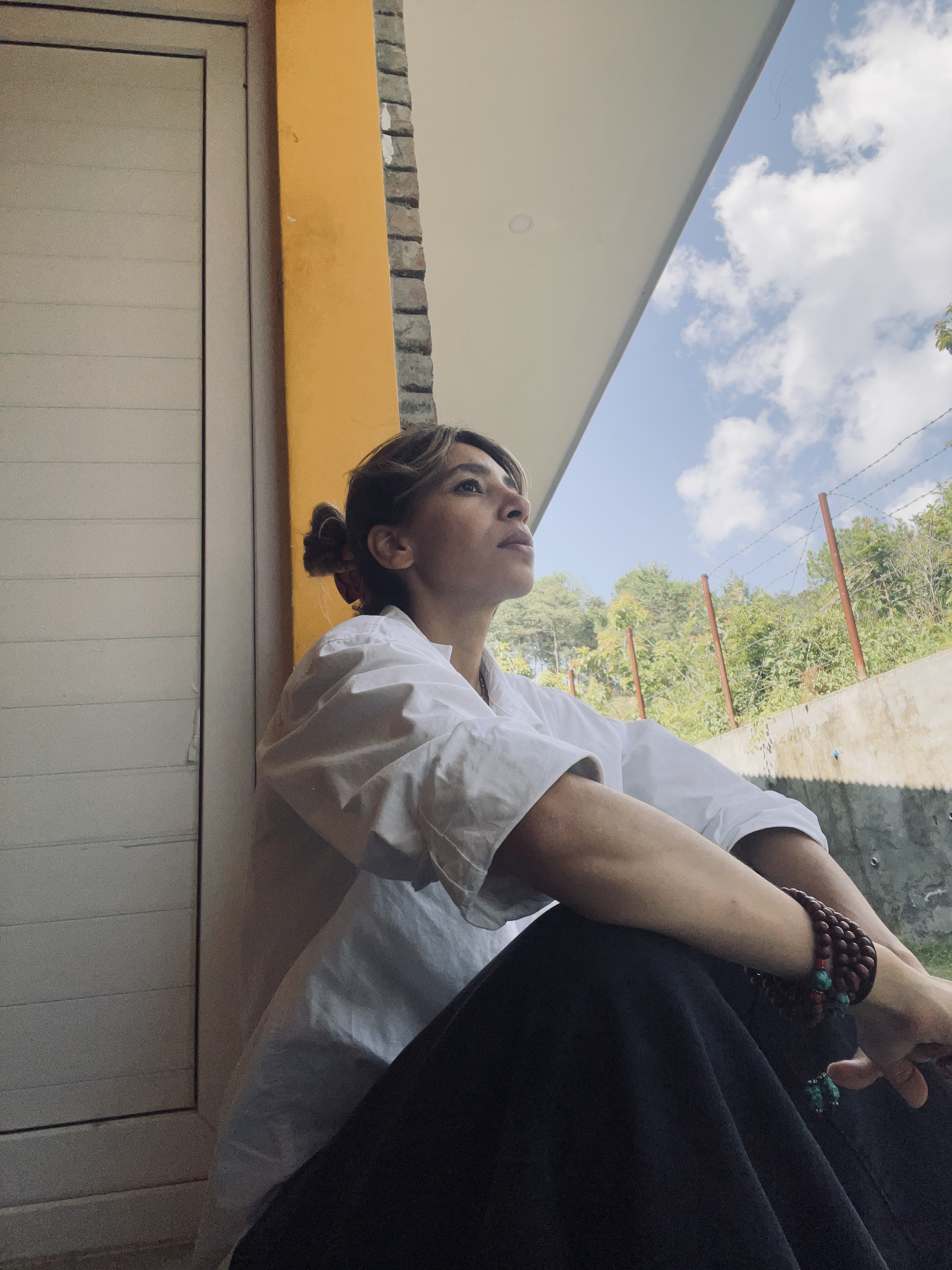
Previously, I shared my historical connection to Nepal and its wonderful people, culture, and communities. Since the flash flood, I contacted people I knew there to catch up with them and offer my solidarity, and I learned that my go-to place, Pumpernickel Bakery, the cafe I used to go to when I was finishing the Triten Norbute monastery platform, has started baking for the affected communities. I felt happy that they are safe, but I was also worried because, from my experience living in Nepal during monsoon season, I know how vulnerable some communities are to the multiplying impacts of massive rainfall, landslides, and the unregulated, rapid pace of urbanisation.
Nepal Flash Flood Reflection
Nepal’s Flash Flood
and the Case for
Resilience as a Human Right
A reflection written after the 2026 flash flood: the flash flood is more than a tragedy; it is something that had the power to change our paradigms about…

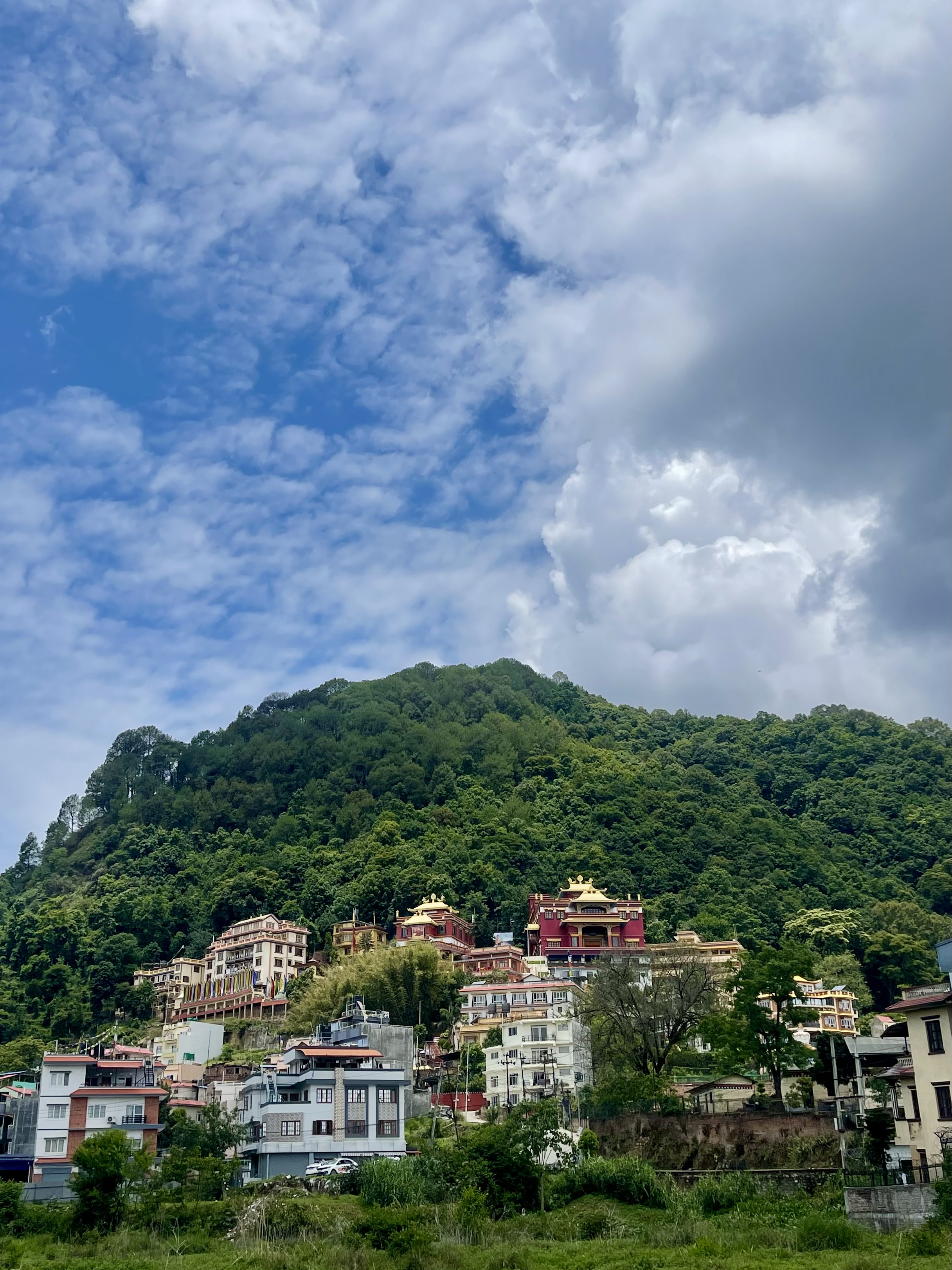
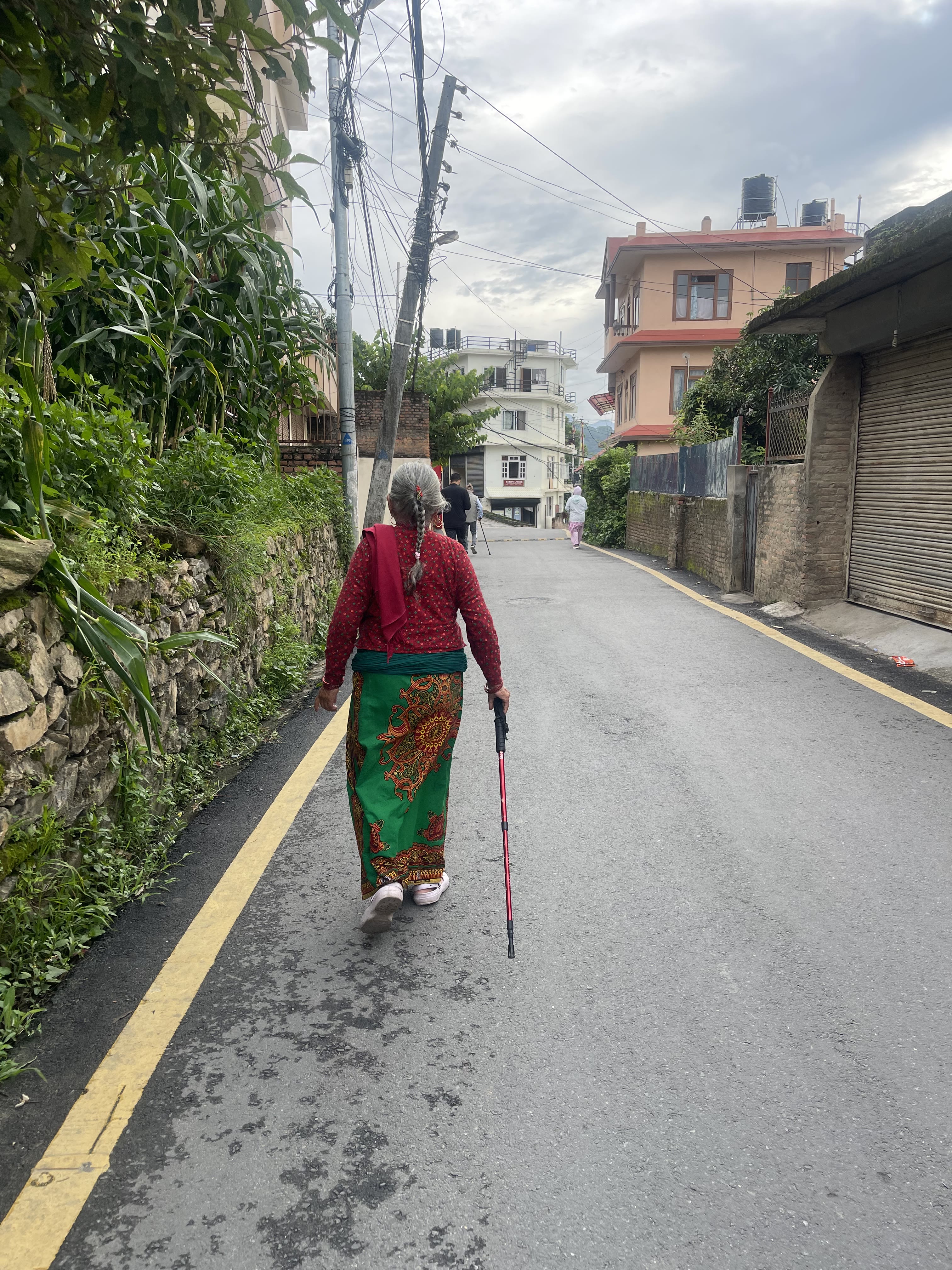
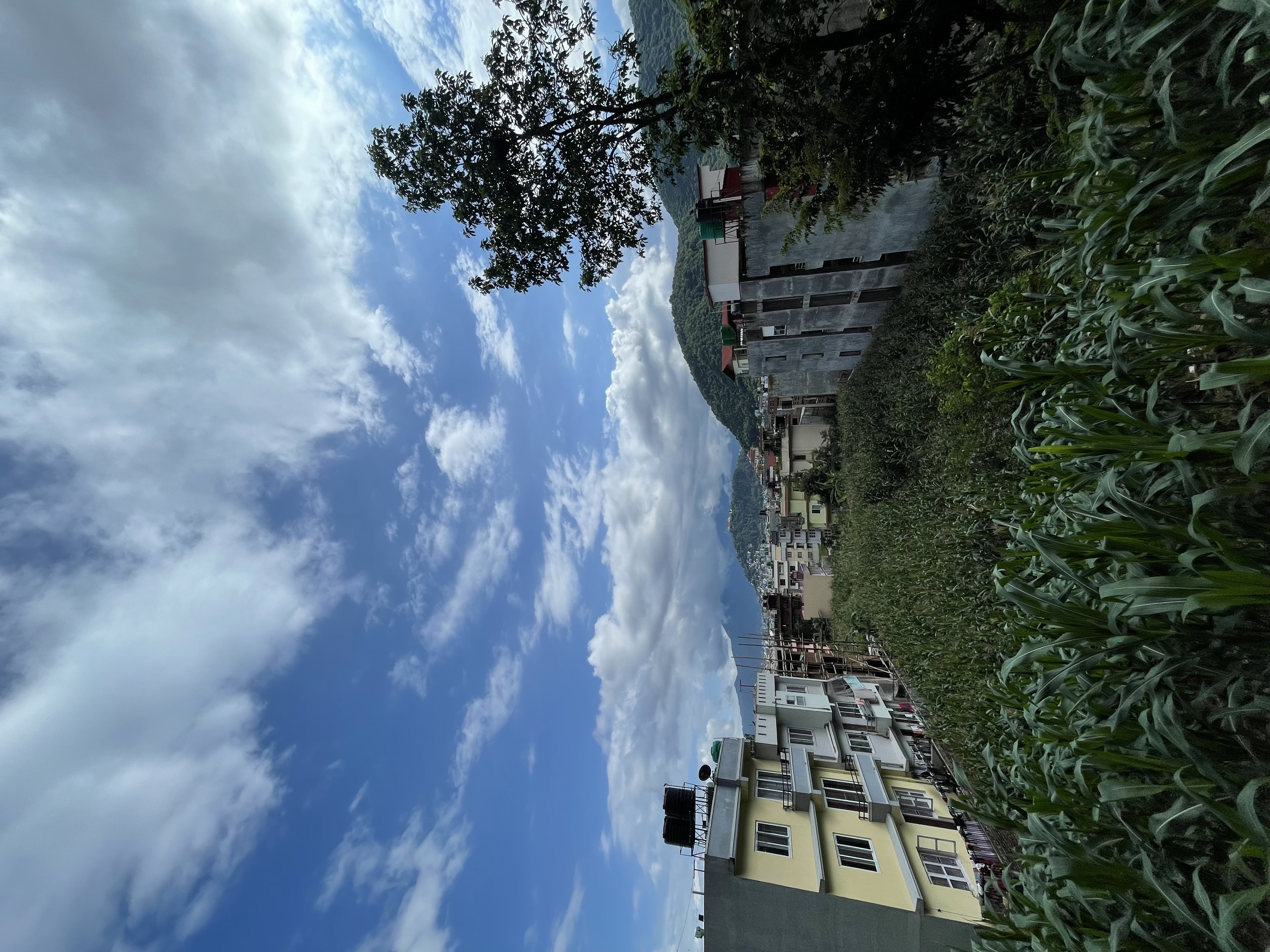
I remember clearly in 2010 when many local shop floors filled with rainwater running downstream, electricity cutouts, and slow improvement and investment in infrastructure systems. When I returned to Nepal last May, just before the monsoon season for my personal retreat, I stayed at a small studio kindly offered by a relative of a lama just by the monastery in the lower parts of the Nagarjun forests, a protected, dense wildlife habitat home to many wild species such as leopards, tigers, snakes, monkeys, and so on.
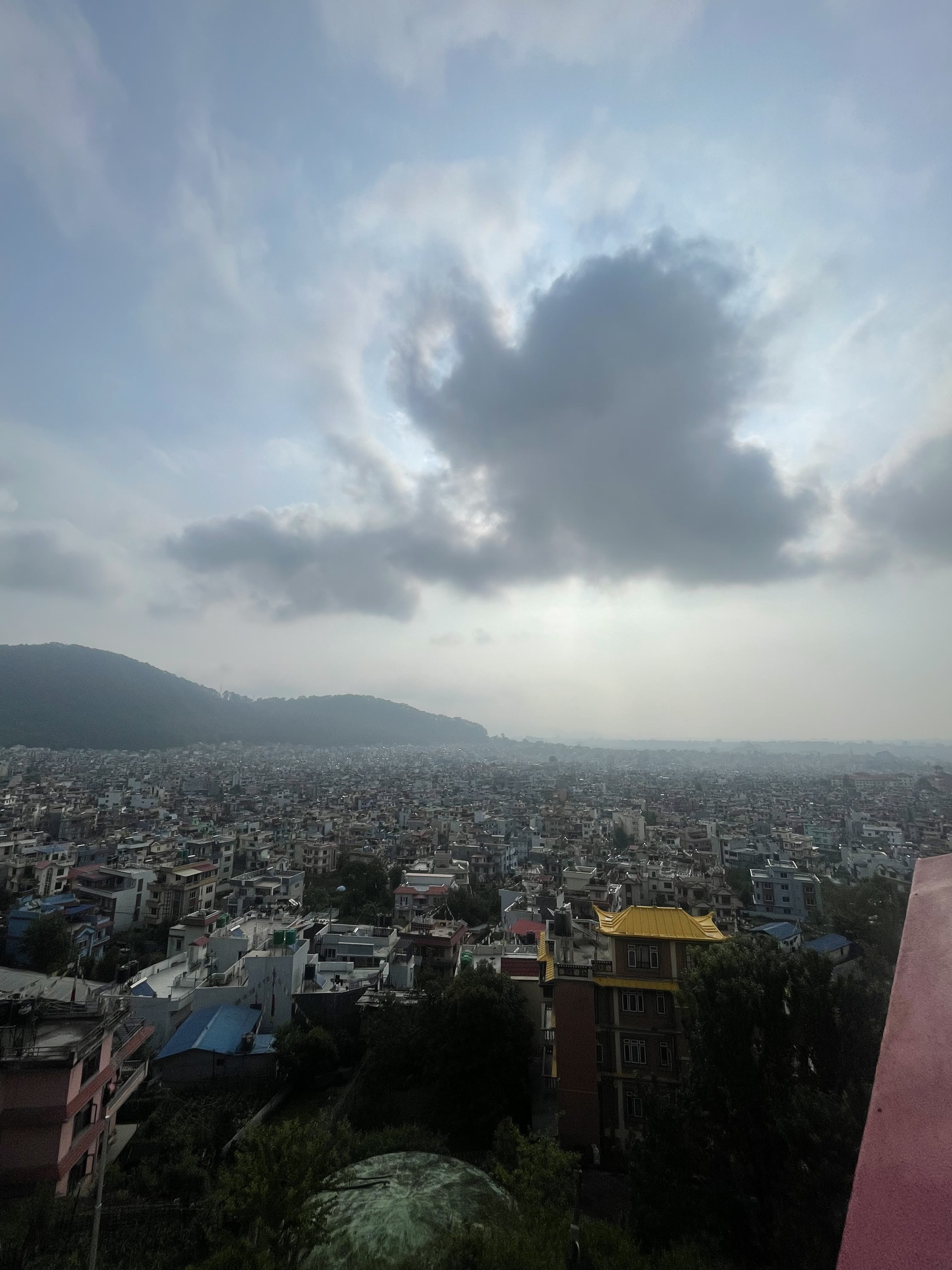
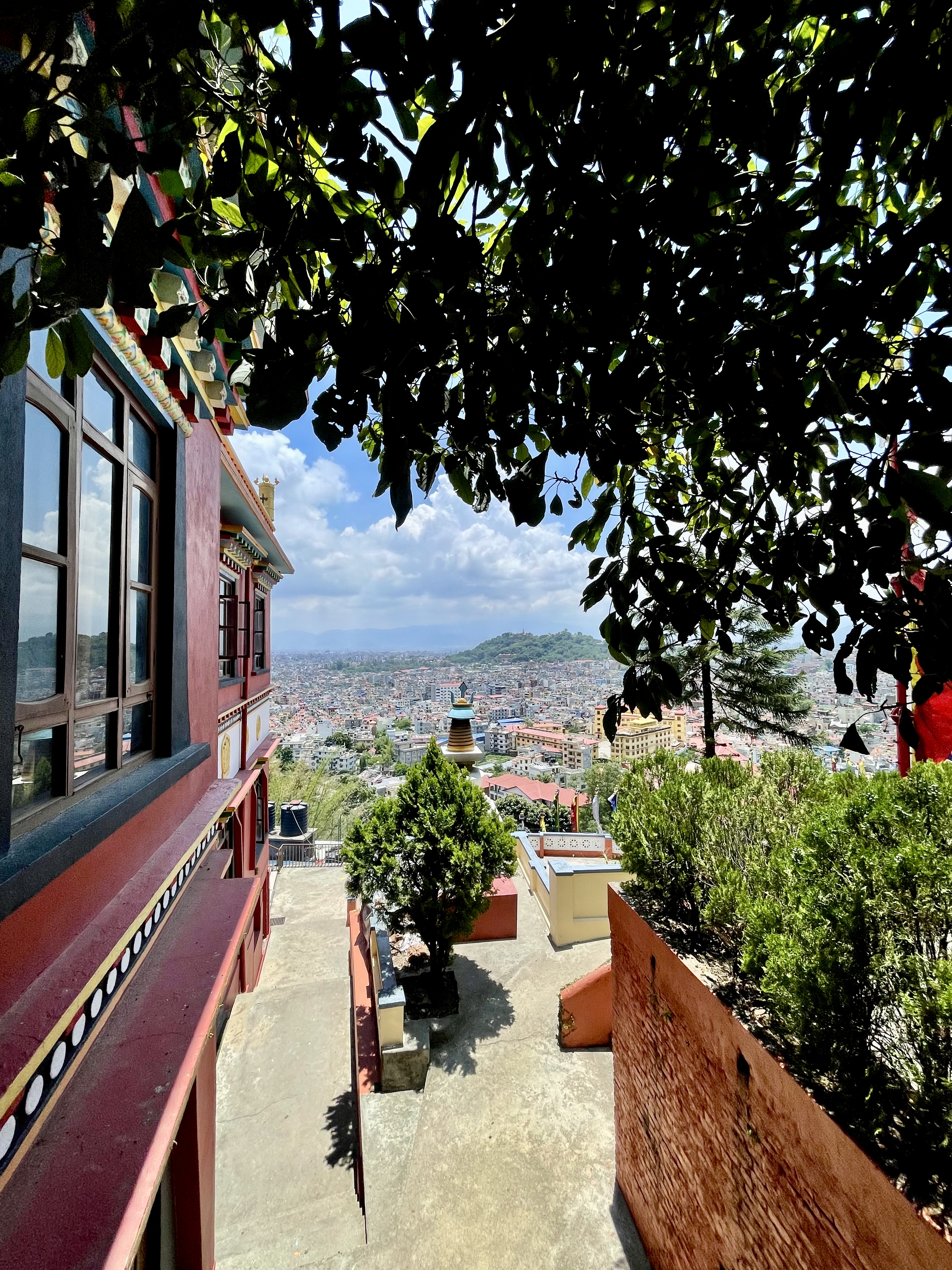
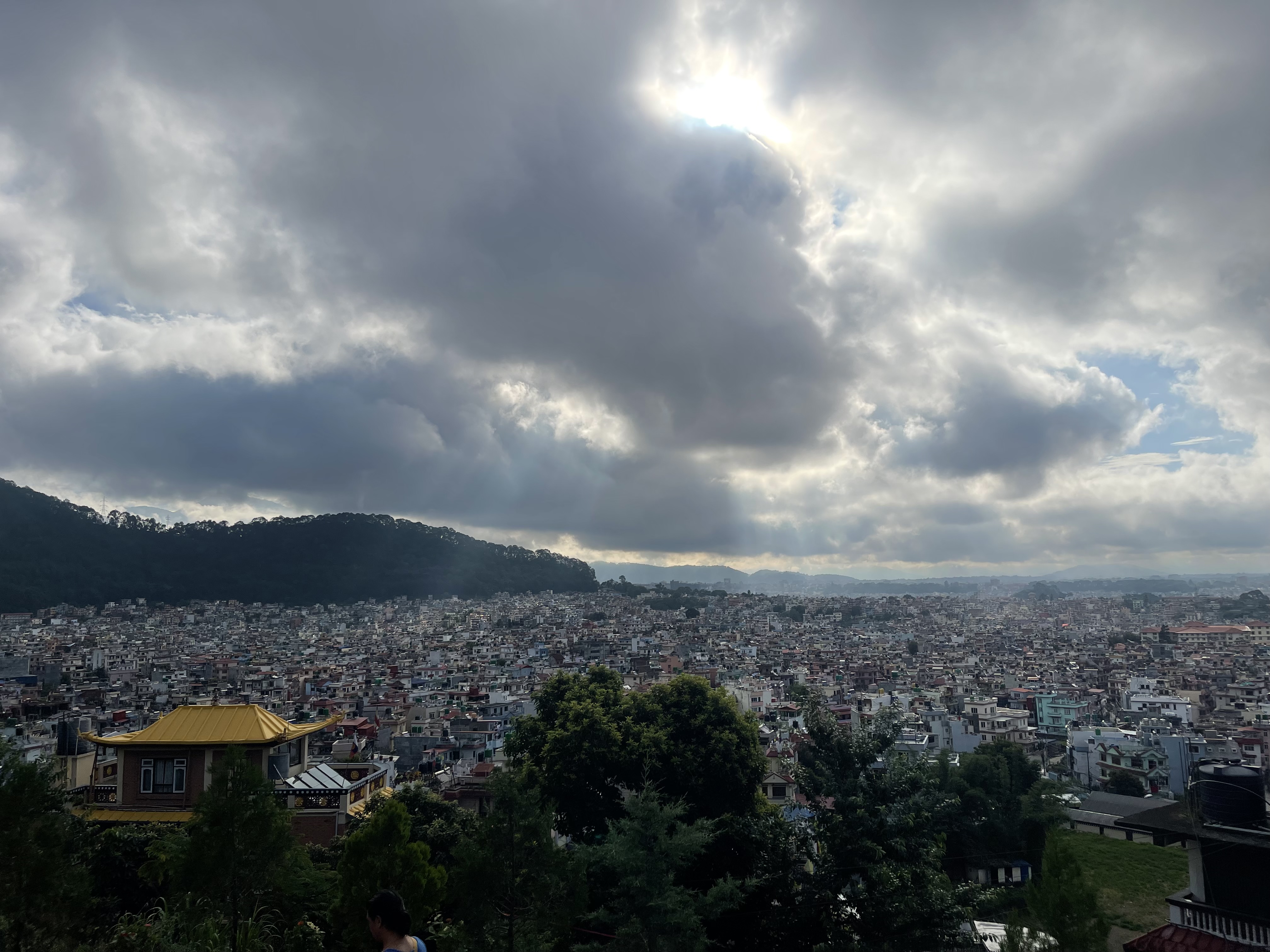
I used to go to the monastery every morning, which meant walking a steep road and then climbing a wall of steep stairs since the monastery was located right at the edge of the forest mountains. When I got to the courtyard of the monastery after an effortful climb, I would turn back and look at the Kathmandu Valley sitting right beneath the glorious view from the monastery.
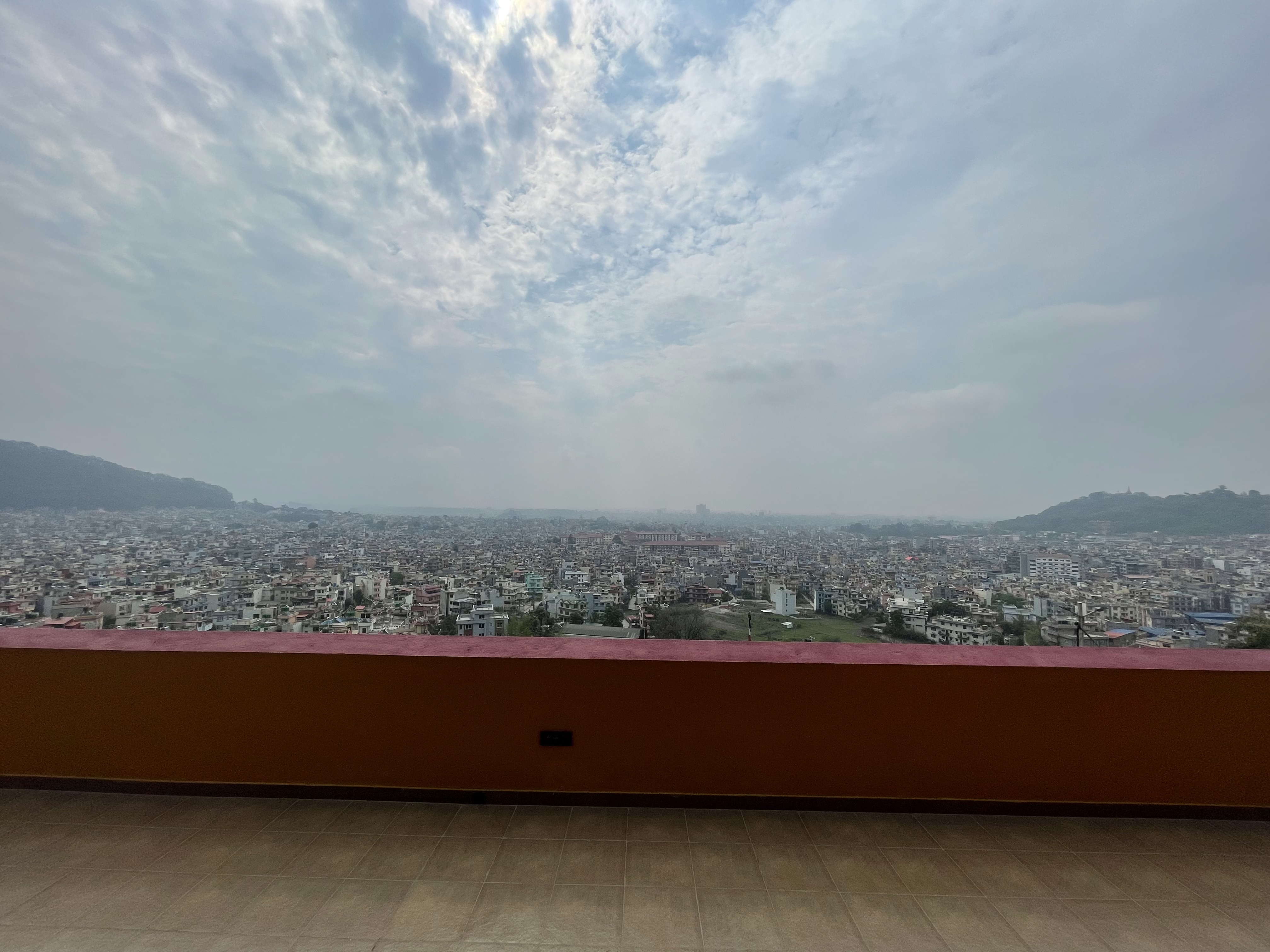
The view was gorgeous for some moments, but then I would just find myself thinking what would happen if another earthquake happened, how many of these buildings would survive; I just could not believe the extent to which the city had changed since 2010. Yes, the roads were clearly better; quality of life had improved, and less rainwater would stay in the roads, as I remember during 2010. But the communities were visibly vulnerable.
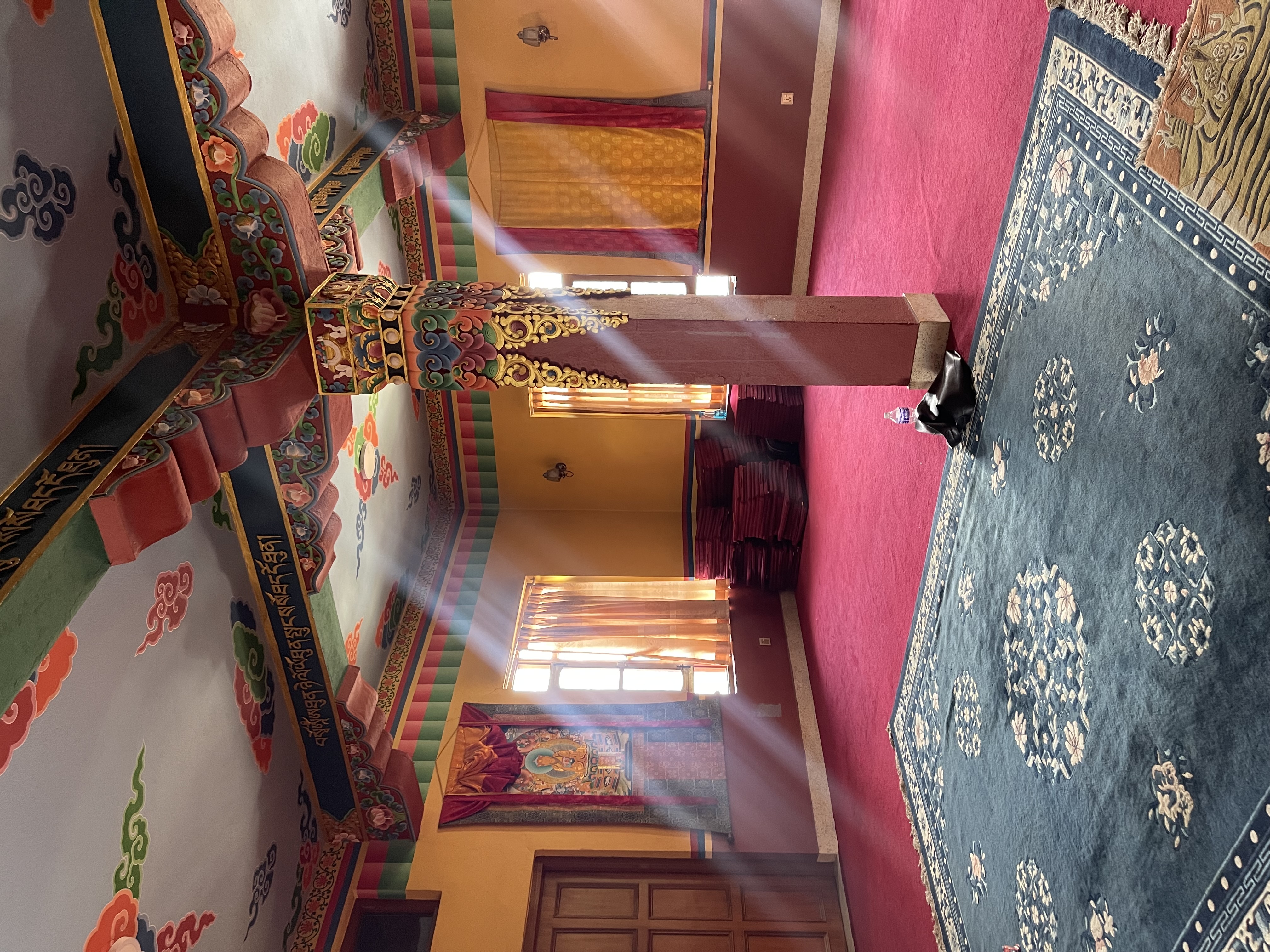
During one meditation session, I had a strange sense of urgency building up in my chest; I suddenly had a vision of monkeys in my mind. I opened my eyes because the vision was so clear. I looked around, and I saw a monkey had climbed the outer wall of the temple and was hanging by the window, silently and strategically looking around. I panicked because I had left the front door slightly open. I packed my belongings and went to the front door, only to see how many monkeys were on the branches towering over the monastery. I slowly closed the door and left the temple.
These monkeys had learned that there is food at the monastery, so from time to time they would come around and wait for strategic moments to come in groups and get what they could.
The coexistence with nature is sometimes romanticised without much deeper reflection. These ecological systems were actively learning, monitoring their surroundings, and sheltering intelligently during rains. Risk is always seen as an active threat and not just a likelihood or probability.
Perhaps this is one of the differences between how ecological systems encounter risk and how modern societies often conceptualise it. We turn risk into numbers, forecasts, and probabilities, while the ecological systems around us are continuously responding to environmental signals and changing conditions. Their resilience did not begin when the rain arrived. It was already present in the ways they observed, learned, moved, sheltered, and adapted.
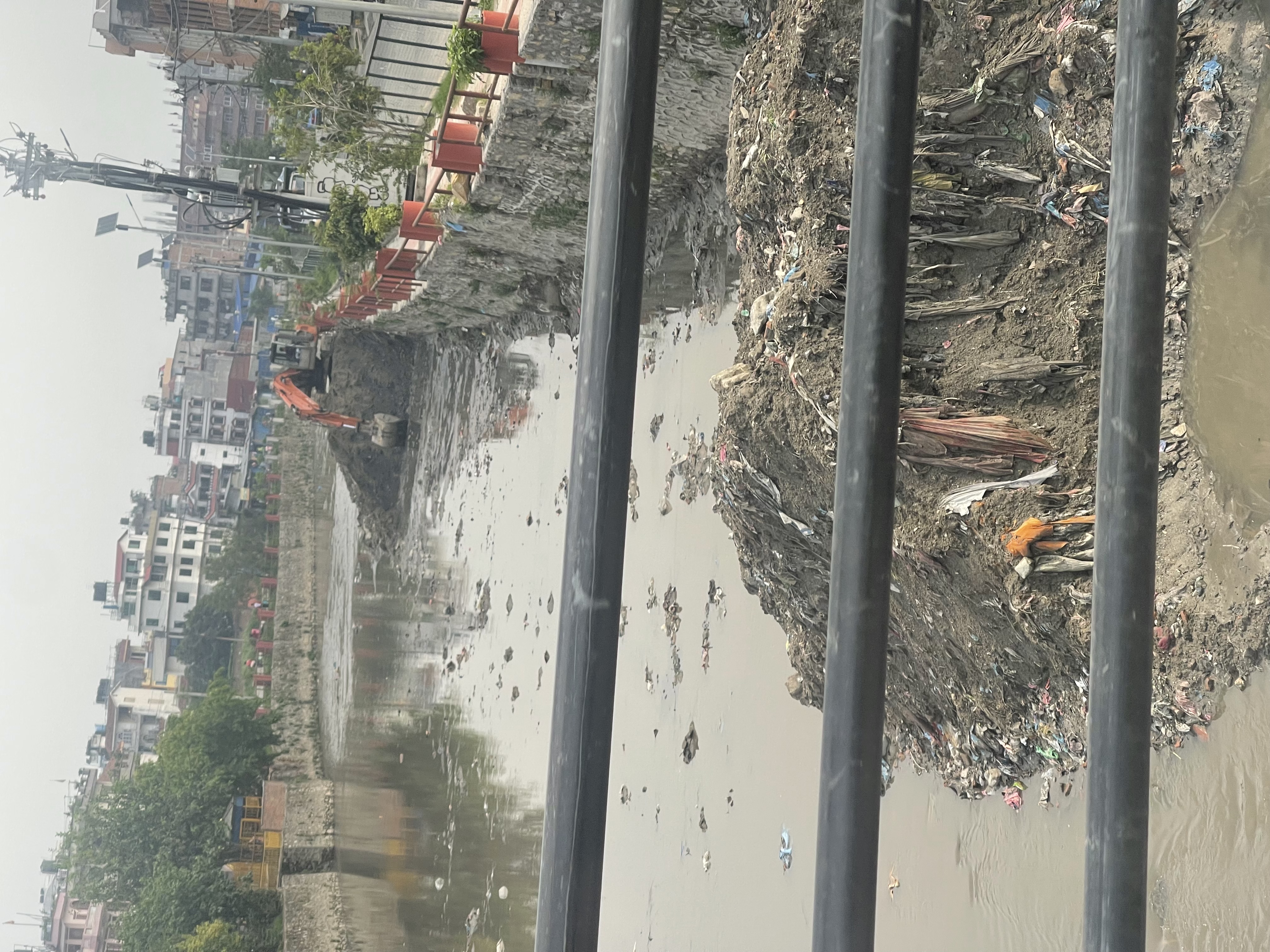
When it rained, the design of the monastery, like other buildings, would guide the water down. This meant the staircase would become a waterfall; all that water would run downstream to the main road, which was very steep. Then the water would become almost like a river, going further down until it reached a flat and slightly indented road.
There you would see the impact: traffic, blocked access to the road, complexity of moving around, and communities that had to deal with these almost daily during monsoon season. Sometimes they had to self-organise and create pathways with stones and brick leftovers.
When viewed in isolation, a single event can feel manageable, but the multiplying impact of shocks stacking on top of each other can lead to catastrophic events so rapidly that they defy how the brain usually builds a narrative of risk.
Between some meditation sessions, I would go for walks with my huge monsoon-grade umbrella. Every time I would reach these kinds of water-filled, inundated parts of the road, I would see these efforts to bring normality into life.
I thought to myself how much of our perception of resilience is actually shaped by the comfort of not wanting to see the risk, but wanting quick solutions to work in an attempt to keep the status quo?
Any time someone would set up a temporary relief solution, it can give the illusion of normalcy and mask the need for deeper and more fundamental work on resilience, a systemic behavioural change that touches all the dimensions of our societies.
I talked about resilience with monks as well, but every time I came to this conclusion that resilience, as long as it is seen and linked heavily to disasters and shocks, it would not turn into something that is deeply ingrained in the collective mind of communities.
These observations inspired me to bring my expertise in resilience and mindfulness in service of people and communities who need it the most and to devote my time to building a world that counts resilience as a human right, not just a slogan.
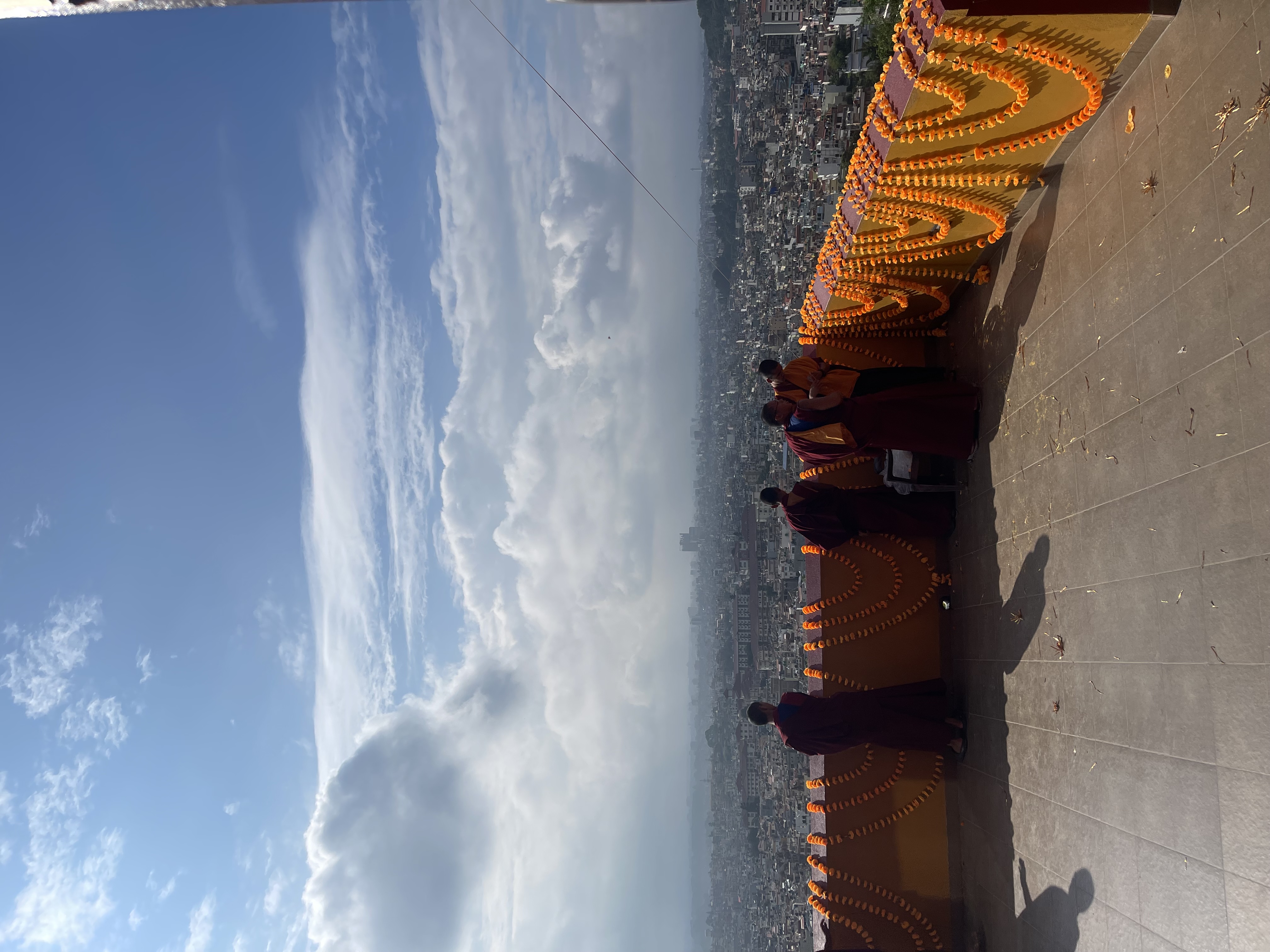
The flash flood is more than a tragedy; it is something that had the power to change our paradigms about what it means to be truly ready for a world that could overwhelm not only communities' resources within minutes but also our collective imagination in envisioning and building better, more resilient communities.